Stars & constellations · Science & history
Constellations and asterisms
A constellation is an area of sky. The patterns drawn inside it are how people remember it.
Regions, figures and patterns
The International Astronomical Union (opens in a new tab) agreed a list of 88 constellations in 1922 and fixed their boundaries in 1928, so that together they cover the whole sky. It defines no stick figures: the lines on this site's charts are its own drawing, following common Western practice, and other cultures group the same stars differently or use the dark spaces between them.
When the finder says a constellation's key pattern is up, it means the few bright anchor stars listed for it are above the horizon, not that its whole official area is. Constellations, figures and asterisms tells the longer story.
Sky basics
How the sky is divided, why it changes through the night and year, how to find your way, what light pollution hides, and where the zodiac fits.
Constellation guides
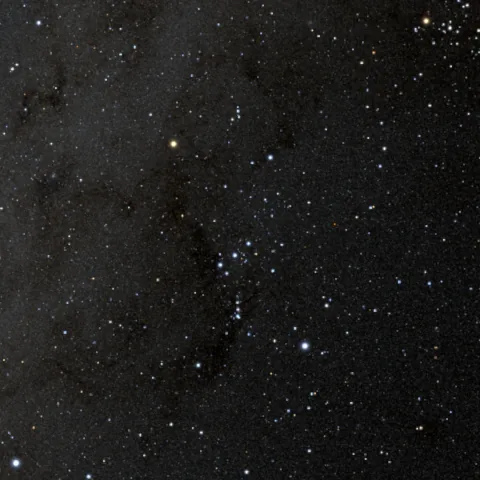 GuideConstellationOrion, the hunterHow to find Orion by his three belt stars from either hemisphere, why the belt stars are not neighbours, and what…
 GuideConstellationUrsa Major, the Great BearUrsa Major, the third-largest constellation: how the Big Dipper sits inside it, how to use it to find Polaris, what…
 GuideConstellationUrsa Minor, the Little BearUrsa Minor holds Polaris at the tip of its tail. How to find it, why it hides in city light, why sailors used it…
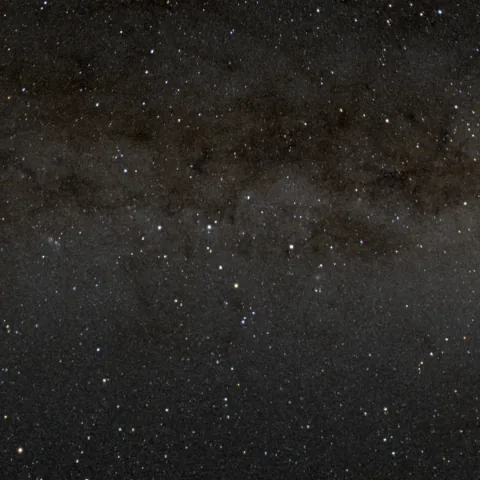 GuideConstellationCassiopeia, the queenHow to find Cassiopeia's W of five stars and use it to find the Andromeda Galaxy, the supernova Tycho Brahe saw…
 GuideConstellationAndromeda, the princess, and the galaxy beyond herHow to find the constellation Andromeda and the Andromeda Galaxy, M31, from the Northern Hemisphere, what you can…
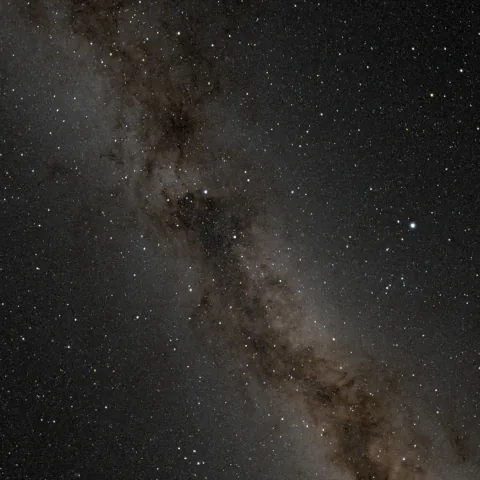 GuideConstellationCygnus, the swanHow to find Cygnus, the Northern Cross, along the Milky Way; Deneb, the most distant first-magnitude star…
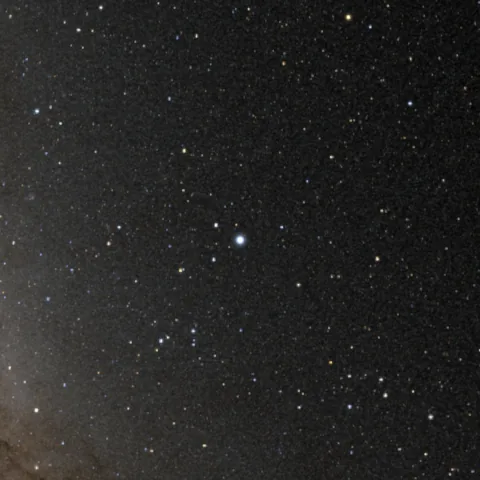 GuideConstellationLyra, the lyreHow to find Lyra beside Vega, the Greek lyre it represents, and the Ring Nebula between two of its stars, with what…
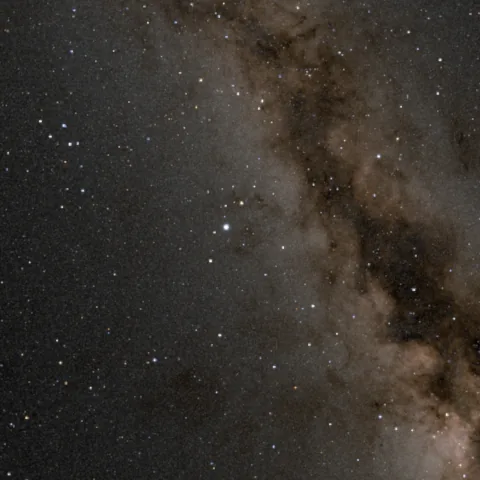 GuideConstellationAquila, the eagleHow to find Aquila and Altair, the Summer Triangle's southern corner; why Altair is squashed; and how proper motion…
 GuideConstellationScorpius, the scorpionHow to find Scorpius and red Antares from either hemisphere, why the Greek scorpion lost its claws to Libra, and…
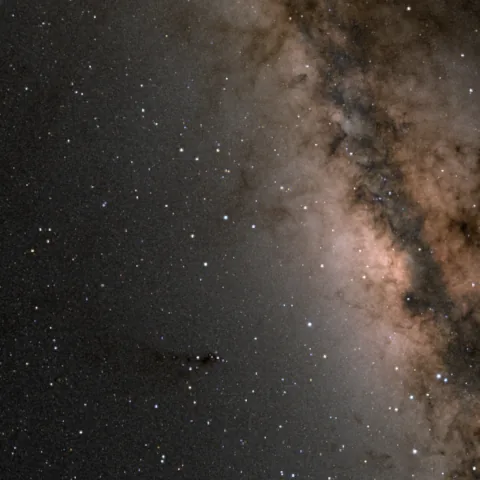 GuideConstellationSagittarius, the archerHow to find Sagittarius and its Teapot, why the Milky Way is richest here, what binoculars show in the Lagoon…
 GuideConstellationLeo, the lionHow to find Leo by the Sickle and Regulus, what its star names mean, and the galaxies and meteor shower that belong…
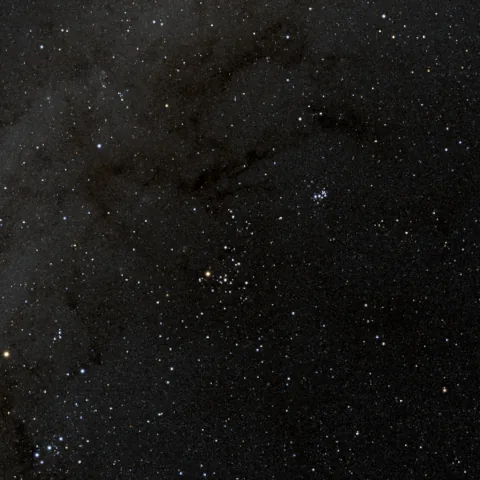 GuideConstellationTaurus, the bullHow to find Taurus from Orion's belt, why Aldebaran is not part of the Hyades, what the Pleiades really are, and…
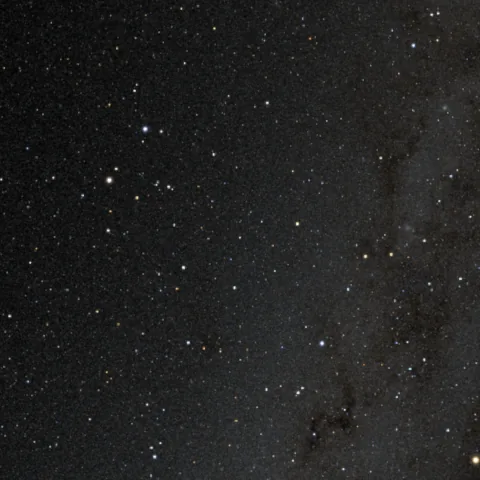 GuideConstellationGemini, the twinsHow to find Gemini by Castor and Pollux, why the beta star outshines the alpha, the twins as sailors' saints, and…
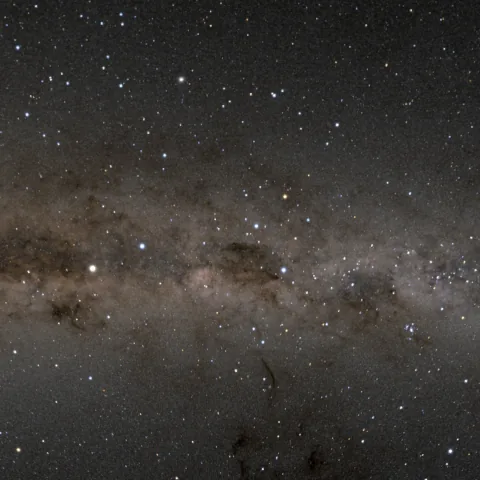 GuideConstellationCrux, the Southern CrossHow to find the Southern Cross and tell it from the False Cross, where on Earth it can be seen, how Europe lost and…
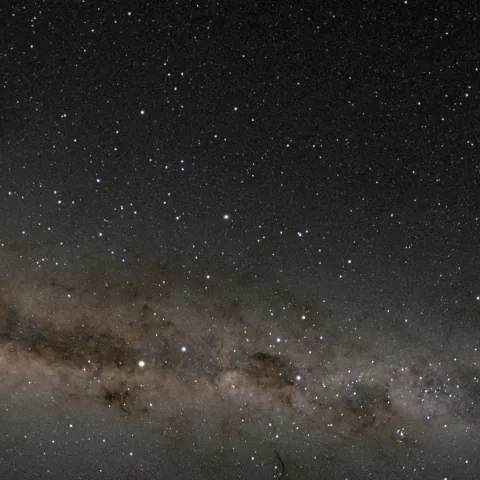 GuideConstellationCentaurus, the centaurCentaurus holds the nearest star system and the biggest globular cluster we can see. How to find it, what Omega…
Asterisms
Asterisms (opens in a new tab) are familiar star patterns that are not constellations. Some sit inside one, some straddle several.
 GuideAsterismThe Big DipperThe Big Dipper, or Plough, is not a constellation but part of one. How to find it, how to use it to find Polaris…
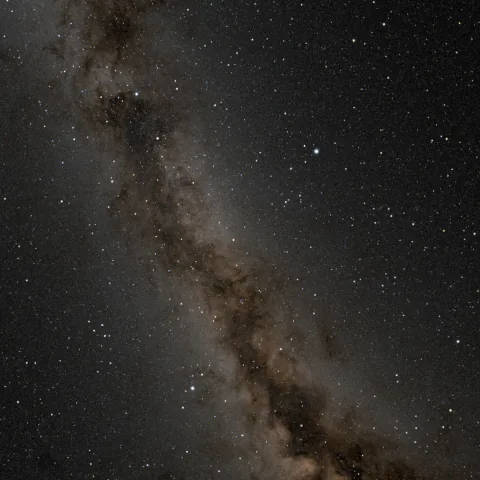 GuideAsterismThe Summer TriangleThe Summer Triangle is three bright stars from three constellations: Vega, Deneb and Altair. How to find it from…
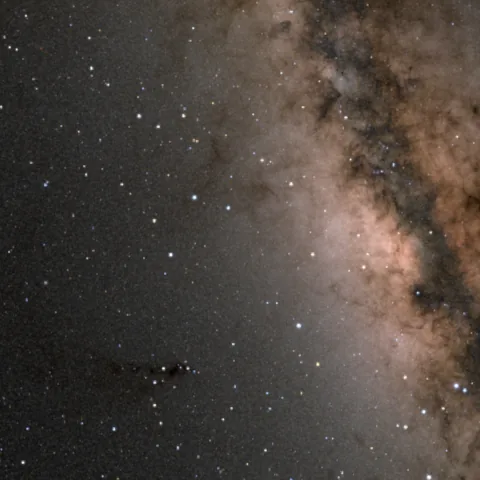 GuideAsterismThe TeapotThe Teapot is eight stars of Sagittarius. How to find it east of Scorpius, how dark a sky it needs, and how the…